

Professional illustration about Bitcoin
Bitcoin in 2025: Trends
Bitcoin in 2025: Trends
As we navigate through 2025, Bitcoin (BTC) continues to dominate the cryptocurrency landscape, driven by institutional adoption, technological advancements, and shifting regulatory dynamics. One of the most notable trends this year is the growing involvement of major financial players like BlackRock and MicroStrategy, which have further solidified Bitcoin’s position as a store of value. BlackRock’s spot Bitcoin ETF, approved in early 2024, has seen unprecedented inflows, while MicroStrategy’s relentless accumulation of BTC—now exceeding 1% of the total supply—highlights corporate confidence in Bitcoin’s long-term potential.
On the technical front, upgrades like Taproot and the Lightning Network are reshaping Bitcoin’s utility. Taproot, activated in 2021, has matured significantly by 2025, enabling smarter contracts and enhanced privacy. Meanwhile, the Lightning Network is experiencing explosive growth, with platforms like Binance and Coinbase integrating Lightning for faster, cheaper transactions. This scalability solution is particularly impactful in regions like El Salvador, where Bitcoin is legal tender, and everyday payments are increasingly processed off-chain.
The Bitcoin halving in 2024 has also set the stage for 2025’s price dynamics. Historically, halvings trigger bullish cycles, and this time is no exception. Analysts are closely watching trading volume and technical analysis indicators, with many predicting new all-time highs as institutional demand outpaces supply. However, volatility remains a constant, especially with macroeconomic factors like inflation and interest rates influencing Bitcoin price movements.
Another fascinating trend is the resurgence of Bitcoin Pizza Day as a cultural milestone. What began as a quirky celebration of the first documented BTC transaction in 2010 has evolved into a global event, symbolizing Bitcoin’s journey from obscurity to mainstream acceptance. In 2025, enthusiasts are not just reminiscing about the 10,000 BTC pizza purchase but also using the occasion to educate newcomers about blockchain fundamentals and Satoshi Nakamoto’s vision.
Mining has also evolved, with a stronger emphasis on sustainability. Innovations in renewable energy and more efficient ASICs are reducing Bitcoin’s carbon footprint, addressing long-standing criticisms. The MIT License, under which Bitcoin Core is developed, continues to foster open-source collaboration, ensuring the network remains decentralized and secure.
For traders and investors, 2025 presents both opportunities and challenges. Crypto exchanges are offering more sophisticated tools, from advanced technical analysis dashboards to AI-driven insights, making it easier to navigate the market. However, regulatory scrutiny is intensifying, particularly around cryptocurrency custody and compliance. The key for participants is to stay informed, diversify strategies, and leverage innovations like Bitcoin SegWit and Taproot to optimize transactions.
In summary, Bitcoin in 2025 is a blend of institutional maturity, technological progress, and cultural relevance. Whether you’re a hodler, trader, or developer, understanding these trends is crucial for leveraging Bitcoin’s potential in this dynamic era.
Professional illustration about BTC
How Bitcoin Works
How Bitcoin Works
At its core, Bitcoin (BTC) operates on a decentralized blockchain, a public ledger that records every transaction without relying on a central authority like a bank. The system was introduced in 2008 through the Bitcoin whitepaper by the pseudonymous Satoshi Nakamoto, who envisioned a peer-to-peer electronic cash system. Unlike traditional currencies, Bitcoin is powered by a network of miners who validate transactions by solving complex cryptographic puzzles—a process known as Bitcoin mining. Every four years, the Bitcoin halving event reduces mining rewards by half, controlling inflation and maintaining scarcity.
Transactions are grouped into blocks and added to the blockchain through a consensus mechanism called Proof of Work (PoW). To speed up transactions and reduce fees, innovations like the Lightning Network (a second-layer solution) and Bitcoin Taproot (a privacy and efficiency upgrade) have been implemented. For example, El Salvador, the first country to adopt Bitcoin as legal tender, leverages the Lightning Network for fast, low-cost remittances. Meanwhile, institutional players like MicroStrategy and BlackRock have integrated Bitcoin into their portfolios, signaling growing mainstream adoption.
Exchanges like Binance and Coinbase facilitate Bitcoin transactions, offering tools for technical analysis and tracking trading volume. The open-source Bitcoin Core software, released under the MIT License, serves as the backbone of the network, allowing developers to contribute to its evolution. Fun fact: The first real-world Bitcoin transaction was the infamous Bitcoin Pizza purchase in 2010, celebrated annually on Bitcoin Pizza Day. Today, that pizza would be worth millions, highlighting Bitcoin’s volatility and long-term value proposition.
For users, sending Bitcoin is as simple as inputting a recipient’s wallet address and confirming the transaction. However, understanding Bitcoin SegWit (a scalability upgrade) and monitoring Bitcoin price trends can help optimize costs and timing. Whether you’re a miner, investor, or casual user, grasping these mechanics ensures smarter participation in the cryptocurrency ecosystem.

Professional illustration about MicroStrategy
Bitcoin Mining Explained
Bitcoin Mining Explained
Bitcoin mining is the backbone of the Bitcoin network, ensuring security, transparency, and decentralization. At its core, mining involves solving complex cryptographic puzzles to validate transactions and add them to the blockchain. Miners compete to find the correct hash for a block of transactions, and the first to succeed earns a block reward in BTC. This process, known as Proof-of-Work (PoW), is what keeps the network secure from double-spending and other attacks. The block reward halves approximately every four years in an event called Bitcoin halving, which reduces the supply of new BTC and historically has led to significant price movements.
The mining ecosystem has evolved dramatically since Satoshi Nakamoto released the Bitcoin whitepaper. Early miners could use basic CPUs, but today, specialized hardware like ASICs (Application-Specific Integrated Circuits) dominates the industry due to the increasing difficulty of mining. Companies like MicroStrategy and BlackRock have shown interest in Bitcoin’s long-term value, indirectly validating the mining sector. Meanwhile, exchanges like Binance and Coinbase facilitate trading mined BTC, contributing to its liquidity and market dynamics.
Energy consumption is a hot topic in Bitcoin mining. Critics argue it’s unsustainable, but proponents highlight innovations like the Lightning Network and Taproot, which improve efficiency. Some miners also use renewable energy, aligning with global sustainability goals. For example, El Salvador, the first country to adopt Bitcoin as legal tender, has explored geothermal energy for mining.
Mining isn’t just about earning BTC; it’s a critical component of the network’s infrastructure. Without miners, transactions wouldn’t be verified, and the blockchain would stall. The decentralized nature of mining ensures no single entity controls Bitcoin, staying true to Satoshi Nakamoto’s vision. Whether you’re a hobbyist miner or a large-scale operation, understanding the mechanics—from hash rates to pool mining—is key to navigating the crypto space.
Fun fact: The infamous Bitcoin Pizza Day commemorates the first real-world BTC transaction, where 10,000 BTC was spent on two pizzas. Today, those BTC would be worth millions, underscoring Bitcoin’s incredible journey from a niche experiment to a global asset.

Professional illustration about Binance
Bitcoin vs Altcoins
Bitcoin vs Altcoins: The Ultimate Crypto Showdown in 2025
When it comes to cryptocurrency, Bitcoin (BTC) remains the undisputed king, but the rise of altcoins has sparked endless debates among investors. While Bitcoin dominates with its first-mover advantage, decentralized ethos, and institutional backing from giants like BlackRock and MicroStrategy, altcoins offer niche innovations—from smart contracts to faster transactions. Here’s how they stack up in 2025.
Market Dominance and Institutional Trust
Bitcoin’s market cap still dwarfs most altcoins, thanks to its scarcity (capped at 21 million coins) and widespread adoption. Companies like Coinbase and Binance list BTC as their top asset, and nations like El Salvador continue to embrace it as legal tender. Meanwhile, altcoins like Ethereum or Solana thrive by solving Bitcoin’s limitations—such as scalability—through tech like the Lightning Network or Taproot. However, Bitcoin’s brand recognition and store-of-value narrative keep it ahead. For example, while altcoins may spike in trading volume during bull runs, Bitcoin remains the go-to for long-term holders.
Technology and Use Cases
Bitcoin’s blockchain is laser-focused on security and decentralization, with upgrades like SegWit and Taproot improving efficiency. Yet, altcoins often outpace BTC in functionality. Ethereum’s smart contracts, for instance, power DeFi and NFTs, while coins like Ripple (XRP) target cross-border payments. That said, Bitcoin’s Satoshi Nakamoto-authored whitepaper laid the groundwork for all crypto, and its MIT License ensures open-source transparency. The Bitcoin Core development team prioritizes stability over speed, which critics argue leaves room for altcoins to innovate.
Real-World Adoption and Cultural Impact
Bitcoin’s Bitcoin Pizza Day—celebrating the first BTC transaction—highlights its cultural staying power. Meanwhile, altcoins often rely on hype cycles or niche communities. Institutions like BlackRock favor Bitcoin for its regulatory clarity, while altcoins face scrutiny over securities laws. Even with Bitcoin mining energy concerns, its halving events reinforce scarcity, whereas altcoins struggle with inflationary models or centralization risks.
Investment Strategy: BTC or Altcoins?
For beginners, Bitcoin is the safer bet—its price volatility is lower than most altcoins, and its blockchain is battle-tested. Seasoned traders might diversify with altcoins for higher short-term gains, but they should prioritize projects with solid technical analysis and real utility. Remember: while altcoins can skyrocket overnight, Bitcoin’s transaction reliability and global acceptance make it the crypto gold standard.
In 2025, the choice boils down to risk appetite. Bitcoin offers stability; altcoins, opportunity. But as Satoshi Nakamoto’s vision evolves, one thing’s clear: BTC isn’t stepping off its throne anytime soon.
Professional illustration about BlackRock
Bitcoin Security Tips
Bitcoin Security Tips: Protecting Your BTC in 2025
In 2025, Bitcoin security remains a top priority as adoption grows, with giants like BlackRock and MicroStrategy doubling down on BTC investments, and countries like El Salvador continuing to integrate it into their economy. Whether you're a long-term holder or an active trader on platforms like Binance or Coinbase, safeguarding your cryptocurrency is non-negotiable. Here’s how to stay ahead of threats while leveraging the latest advancements like the Lightning Network, Taproot, and Bitcoin Core updates.
Use a Hardware Wallet for Long-Term Storage
If you’re holding BTC for the long haul, a hardware wallet is your best bet. These offline devices, like those from Ledger or Trezor, keep your private keys away from hackers. Even if you trade on crypto exchanges, transfer the majority of your funds to cold storage. Remember the infamous Bitcoin Pizza Day? Early adopters who lost keys to their wallets learned the hard way—don’t let history repeat itself.
Enable Multi-Factor Authentication (MFA) Everywhere
From Binance to Coinbase, always enable MFA. SMS-based 2FA is better than nothing, but opt for authenticator apps like Google Authenticator or hardware keys for stronger protection. Hackers often target exchange accounts with high trading volume, so an extra layer of security is crucial.
Keep Your Software Updated
Whether you’re running Bitcoin Core or using a lightweight wallet, updates often include critical security patches. The 2023 Taproot upgrade, for example, improved privacy and efficiency, but users had to update their nodes to benefit. Similarly, the Lightning Network continues to evolve, so staying current ensures you’re protected against vulnerabilities.
Beware of Phishing Scams
Scammers love impersonating cryptocurrency platforms. Always double-check URLs before entering login details. For instance, fake Coinbase or Binance emails asking for your credentials are rampant. Bookmark official sites and never click links from unsolicited messages.
Diversify Your Storage Strategy
Don’t keep all your BTC in one place. Split holdings between a hardware wallet, a secure mobile wallet for small amounts, and a reputable exchange if you trade frequently. Companies like MicroStrategy and BlackRock use institutional-grade custody solutions—while individuals may not have those resources, diversification minimizes risk.
Understand the Blockchain Basics
Knowing how Bitcoin transactions work can prevent costly mistakes. For example, always verify receiving addresses before sending BTC. The Bitcoin whitepaper by Satoshi Nakamoto outlines the protocol’s security fundamentals—familiarizing yourself with it helps you spot red flags.
Use the Lightning Network for Small Transactions
For everyday purchases, the Lightning Network offers faster, cheaper transactions without exposing your main wallet. El Salvador’s adoption of Bitcoin as legal tender showcased its potential, but always use trusted nodes to avoid routing scams.
Avoid Public Wi-Fi for Crypto Activities
Public networks are hunting grounds for hackers. If you must check your portfolio or make a trade, use a VPN. Even technical analysis tools or price-tracking apps can be exploited if your connection isn’t secure.
Regularly Audit Your Security Practices
Revisit your security setup periodically. Test backup recovery phrases, review connected apps on exchanges, and ensure no unauthorized devices have access. The MIT License under which Bitcoin Core is developed emphasizes transparency—apply the same rigor to your personal security.
By combining these strategies, you’ll mitigate risks while taking full advantage of Bitcoin’s innovations in 2025. From Bitcoin mining to halving events, the ecosystem evolves, but security fundamentals remain timeless. Stay vigilant, stay informed, and keep your BTC safe.
Professional illustration about Bitcoin
Bitcoin Wallet Guide
Choosing the Right Bitcoin Wallet in 2025
With Bitcoin’s price continuing to break records in 2025, securing your BTC has never been more critical. Whether you’re a long-term holder like MicroStrategy or an active trader on Binance, selecting the right Bitcoin wallet is the foundation of your crypto journey. Wallets come in several forms—hardware, software, mobile, and even paper—each with unique security and convenience trade-offs. For example, Bitcoin Core remains the gold standard for full-node wallets, offering unparalleled decentralization but requiring significant storage space. Meanwhile, Coinbase and other crypto exchanges provide user-friendly custodial wallets, though they sacrifice some control over your private keys.
Security vs. Accessibility: What’s Best for You?
If security is your top priority, a hardware wallet like those from Ledger or Trezor is ideal. These devices store your private keys offline, making them immune to online hacks. For frequent transactions, the Lightning Network has revolutionized Bitcoin payments, enabling near-instant, low-fee transfers—perfect for merchants in El Salvador, where BTC is legal tender. Mobile wallets like BlueWallet or Phoenix integrate Lightning seamlessly, balancing speed and security. On the other hand, if you’re into technical analysis or day trading, a hot wallet connected to platforms like Binance might be more practical, despite the higher risk.
Advanced Features: Taproot and Beyond
The 2021 Taproot upgrade unlocked smarter Bitcoin transactions, enhancing privacy and efficiency. Modern wallets now support Taproot addresses, which streamline complex operations like multi-signature approvals—useful for institutional players like BlackRock. If you’re mining BTC or participating in the ecosystem, ensure your wallet is compatible with SegWit (Segregated Witness) to reduce fees. For developers, open-source wallets under the MIT License offer flexibility to build custom solutions. And let’s not forget the cultural side of Bitcoin: every May 22nd, Bitcoin Pizza Day reminds us of the first real-world BTC transaction—a lesson in both hodling and spending wisely.
Pro Tips for Managing Your Wallet
- Always back up your seed phrase offline. Losing it means losing access forever—no customer support can help.
- Diversify storage: Use a hardware wallet for savings and a mobile wallet for daily spending.
- Stay updated: Wallet software evolves fast, especially with innovations like Bitcoin halving events affecting mining rewards.
- Test small amounts first: Before moving large sums, send a tiny Bitcoin transaction to confirm everything works.
Whether you’re a newcomer inspired by Satoshi Nakamoto’s whitepaper or a veteran tracking trading volume swings, your wallet choice shapes your Bitcoin experience. From the blockchain purists running full nodes to the Lightning enthusiasts speeding up coffee purchases, the right tool depends on your goals. Just remember: in crypto, you’re your own bank—so secure those keys like your financial future depends on it (because it does).

Professional illustration about Coinbase
Bitcoin Price Analysis
Bitcoin Price Analysis: Trends, Drivers, and Key Considerations in 2025
Bitcoin (BTC) remains the dominant force in cryptocurrency markets, with its price movements influencing the entire digital asset ecosystem. As of 2025, BTC’s valuation reflects a complex interplay of macroeconomic factors, institutional adoption, and technological advancements. MicroStrategy continues to double down on its Bitcoin treasury strategy, while BlackRock’s spot Bitcoin ETF has further legitimized BTC as a mainstream asset. Meanwhile, exchanges like Binance and Coinbase report heightened trading volume during price volatility, underscoring retail and institutional interest.
From a technical analysis perspective, Bitcoin’s price action often hinges on critical support and resistance levels. The Bitcoin halving event in 2024 continues to impact supply dynamics, with reduced mining rewards tightening circulation. Additionally, the adoption of Taproot and the Lightning Network has improved transaction efficiency, indirectly bolstering investor confidence. El Salvador’s ongoing Bitcoin experiment also serves as a real-world case study for national-level adoption, though its long-term economic effects remain debated.
Historically, Bitcoin Pizza Day (marking the first BTC transaction for goods) reminds us how far the asset has come—from a niche experiment to a trillion-dollar market. The Bitcoin white paper, authored by Satoshi Nakamoto, still underpins the network’s decentralized ethos, even as institutions like BlackRock integrate BTC into traditional finance. For traders, monitoring blockchain metrics—such as active addresses and hash rate—can provide clues about market sentiment.
Short-term price fluctuations often stem from macroeconomic shifts (e.g., Fed policy) or crypto-specific events like exchange-traded product approvals. However, long-term holders (HODLers) focus on Bitcoin Core’s robustness and the network’s censorship-resistant properties. Whether you’re analyzing candlestick patterns or evaluating Bitcoin mining profitability, remember: BTC’s volatility is a feature, not a bug. The key is balancing technical indicators with an understanding of broader adoption trends.
Pro Tip: Watch for accumulation patterns among large wallets (“whales”) and regulatory developments—both can signal impending price movements. And while no one can predict tops or bottoms, tools like the Bitcoin Lightning Network and SegWit adoption rates offer tangible metrics for assessing network health. In 2025, Bitcoin isn’t just a speculative asset; it’s a barometer for the entire cryptocurrency landscape.
Professional illustration about Cryptocurrency
Bitcoin Regulations 2025
As Bitcoin continues to dominate the cryptocurrency market in 2025, regulatory frameworks are evolving rapidly to address its growing influence. Governments worldwide are grappling with how to balance innovation with consumer protection, especially as institutional players like BlackRock and MicroStrategy double down on BTC investments. The SEC’s approval of Bitcoin ETFs in early 2025 marked a turning point, legitimizing Bitcoin as an asset class while imposing stricter reporting requirements on exchanges like Coinbase and Binance.
One of the biggest regulatory shifts this year revolves around taxation and transparency. The IRS now requires all crypto exchanges to report transactions exceeding $10,000, mirroring traditional banking rules. Meanwhile, the Lightning Network and Taproot upgrades have forced regulators to rethink how they classify Bitcoin transactions—are they akin to digital cash or securities? El Salvador’s pioneering move to adopt Bitcoin as legal tender in 2021 has also sparked debates, with other nations cautiously exploring similar policies but demanding stricter AML (anti-money laundering) compliance.
For traders and investors, understanding these regulations is critical. For example, the Bitcoin halving event in 2024 has led to increased scrutiny on mining operations, with the U.S. and EU pushing for sustainable energy standards. Meanwhile, the Bitcoin white paper—authored by Satoshi Nakamoto—remains a foundational document, but regulators are now dissecting its principles to fit modern financial systems. Even Bitcoin Pizza Day, once a quirky celebration of crypto’s first commercial transaction, is now a case study in how taxable events apply to crypto gains.
Here’s what you need to watch in 2025:
- Institutional adoption: Firms like BlackRock are lobbying for clearer guidelines, which could pave the way for more Bitcoin-based financial products.
- Global fragmentation: While some countries embrace Bitcoin (e.g., El Salvador), others are tightening restrictions, creating arbitrage opportunities.
- Tech vs. regulation: Innovations like the Lightning Network challenge existing frameworks, forcing regulators to adapt or risk stifling growth.
The bottom line? Bitcoin’s decentralized ethos is colliding with the realities of mainstream finance. Whether you’re a hodler, trader, or builder, staying ahead of these regulations is no longer optional—it’s essential for navigating the next phase of crypto’s evolution.
Professional illustration about Salvador
Bitcoin for Beginners
Bitcoin for Beginners
If you're new to Bitcoin (BTC), the world's first cryptocurrency, you're probably wondering how it works, why it matters, and how to get started. Created in 2009 by the anonymous Satoshi Nakamoto, Bitcoin operates on a decentralized blockchain—a public ledger that records all transactions without needing banks or intermediaries. Unlike traditional money, Bitcoin is digital, scarce (capped at 21 million coins), and secured by Bitcoin mining, where powerful computers validate transactions and earn rewards.
One of Bitcoin’s biggest advantages is its accessibility. You don’t need a bank account to use it—just a crypto wallet and an internet connection. Platforms like Coinbase and Binance make buying BTC simple, while companies like MicroStrategy and asset managers like BlackRock have embraced Bitcoin as a long-term investment. Even countries like El Salvador have adopted it as legal tender, proving its global potential.
For beginners, understanding key upgrades like Taproot (which improves privacy and efficiency) and the Lightning Network (enabling faster, cheaper transactions) is crucial. These innovations address Bitcoin’s early limitations, making it more scalable. Meanwhile, events like Bitcoin Pizza Day—celebrating the first real-world BTC transaction in 2010—highlight how far the ecosystem has come.
Here’s how to dive in safely:
- Start small: Use reputable exchanges like Coinbase or Binance to buy small amounts of BTC.
- Secure your holdings: Transfer BTC to a non-custodial wallet (like Bitcoin Core or a hardware wallet) instead of leaving it on an exchange.
- Learn the basics: Read the Bitcoin whitepaper to grasp its foundational principles, and follow technical analysis trends to understand price movements.
- Explore use cases: Try sending BTC via the Lightning Network to experience low-fee microtransactions.
Bitcoin’s trading volume and adoption continue growing, but volatility remains. The 2024 Bitcoin halving (which reduced mining rewards) has historically driven price surges, making 2025 an intriguing time for newcomers. Whether you’re investing, transacting, or simply learning, Bitcoin’s decentralized nature and finite supply make it a unique asset in the digital age. Just remember: never invest more than you can afford to lose, and always prioritize security.

Professional illustration about Lightning
Bitcoin Investment Risks
Investing in Bitcoin (BTC) can be highly rewarding, but it’s not without its risks—especially in 2025, as the cryptocurrency market continues to evolve. One of the biggest concerns is Bitcoin price volatility. While institutional adoption by companies like MicroStrategy and asset managers like BlackRock has brought stability, sudden market swings can still wipe out gains overnight. For example, even after the Bitcoin halving in 2024, which historically boosts prices, unexpected macroeconomic events or regulatory crackdowns can trigger sharp corrections. Traders relying on technical analysis should always factor in these uncertainties and avoid overleveraging.
Another risk stems from the reliance on crypto exchanges like Binance and Coinbase. While these platforms dominate trading volume, they’re not immune to hacks, operational failures, or regulatory scrutiny. Remember the 2024 incident where a major exchange froze withdrawals due to liquidity issues? That’s why seasoned investors often move their BTC to secure wallets, leveraging advancements like the Lightning Network for faster, cheaper transactions. Speaking of security, the Bitcoin Core protocol has seen upgrades like Taproot and SegWit, but users must still stay vigilant against phishing scams and flawed smart contracts.
Then there’s the regulatory landscape. While El Salvador made Bitcoin legal tender, other governments are still crafting policies that could impact adoption. For instance, the SEC’s stance on cryptocurrency ETFs or mining regulations could sway market sentiment overnight. Even the MIT License, which underpins much of Bitcoin’s open-source development, doesn’t shield investors from geopolitical risks. And let’s not forget the environmental debate around Bitcoin mining—a concern that’s led to stricter energy policies in some regions.
For those new to blockchain, the learning curve itself is a risk. Misunderstanding concepts like the Bitcoin white paper or mishandling private keys can lead to irreversible losses. Ever heard of Bitcoin Pizza Day? It’s a reminder that even early adopters like Laszlo Hanyecz, who spent 10,000 BTC on two pizzas, faced unpredictable outcomes. That’s why diversification and long-term strategies often trump short-term speculation. Whether you’re trading on Binance or hodling through BlackRock’s ETF, always DYOR (Do Your Own Research)—because in crypto, even Satoshi Nakamoto’s vision won’t guarantee profits.

Professional illustration about Nakamoto
Bitcoin Tax Guide
Bitcoin Tax Guide: What You Need to Know in 2025
Navigating Bitcoin taxes can be tricky, but understanding the rules is crucial to avoid penalties. In 2025, the IRS continues to treat Bitcoin (BTC) and other cryptocurrencies as property, meaning every transaction—whether trading on Coinbase or Binance, spending on Bitcoin Pizza Day, or receiving payments via the Lightning Network—could trigger a taxable event. Even swapping BTC for another crypto on platforms like BlackRock’s proposed tokenized assets or MicroStrategy’s corporate holdings counts as a sale, requiring you to report capital gains or losses.
How Bitcoin Transactions Are Taxed
Every time you sell, trade, or use Bitcoin, you must calculate the gain or loss based on its Bitcoin price at the time of the transaction. For example, if you bought 1 BTC at $30,000 and later traded it for Ethereum when BTC hit $50,000, you’d owe taxes on the $20,000 gain. The same applies if you spend BTC—like the infamous Bitcoin Pizza purchase in 2010, which would now be worth millions. The IRS expects you to track the fair market value at the time of each transaction, even for small purchases.
Key Tax Considerations for Bitcoin Investors
- Long-term vs. short-term capital gains: Holding BTC for over a year before selling qualifies for lower long-term capital gains rates (0%, 15%, or 20% in 2025, depending on income). Short-term holdings are taxed as ordinary income.
- Mining and staking rewards: If you’re involved in Bitcoin mining or earn rewards through the Lightning Network, those earnings are taxable as income at their value when received.
- Gifts and donations: Giving BTC to family or charities can have tax implications. Donations to qualified nonprofits may offer deductions, while gifting over $18,000 (2025 limit) may require filing a gift tax return.
- Forks and airdrops: Events like the Taproot upgrade or receiving new tokens from a fork (e.g., Bitcoin Core splits) are taxable as income based on their market value.
Record-Keeping and Reporting Tools
Accurate records are non-negotiable. Use crypto tax software to sync with exchanges like Coinbase or Binance and track your Bitcoin transactions across wallets, including the Blockchain. The IRS Form 8949 and Schedule D are essential for reporting gains and losses. If you’ve used privacy features like SegWit or Taproot, ensure your records still comply with IRS requirements.
Global Perspectives: El Salvador and Beyond
While the U.S. taxes Bitcoin heavily, countries like El Salvador (where BTC is legal tender) have different rules. U.S. taxpayers must still report foreign crypto activity, including holdings in Salvadoran wallets or transactions via the Lightning Network.
Pro Tips for Reducing Tax Liability
1. Harvest losses: Offset gains by selling underperforming assets before year-end.
2. Hold long-term: Aim for the lower capital gains rate by holding BTC for over a year.
3. Use FIFO or specific ID: Choose a cost-basis method (First-In-First-Out or specific lot identification) to optimize gains.
Whether you’re a Satoshi Nakamoto enthusiast or a MicroStrategy-style corporate holder, staying compliant is key. With Bitcoin halving events affecting supply and demand, and innovations like Taproot changing transaction efficiency, tax strategies must evolve too. Keep detailed records, consult a crypto-savvy CPA, and never assume "the IRS won’t notice"—their crypto enforcement is sharper than ever in 2025.

Professional illustration about Taproot
Bitcoin Future Outlook
The Bitcoin future outlook in 2025 remains a hot topic among investors, developers, and policymakers, with the cryptocurrency continuing to evolve beyond its early days as a niche digital asset. Institutional adoption has skyrocketed, with companies like MicroStrategy and BlackRock doubling down on BTC as a long-term store of value. Meanwhile, crypto exchanges such as Binance and Coinbase are reporting record trading volumes, signaling sustained retail interest. One of the most promising developments is the ongoing refinement of Bitcoin Core, the open-source software underpinning the network. Innovations like the Lightning Network and Taproot are addressing scalability and privacy concerns, making BTC more practical for everyday transactions—something even El Salvador has championed since adopting it as legal tender.
From a technical analysis perspective, Bitcoin’s halving events—occurring roughly every four years—continue to play a pivotal role in its price trajectory. The most recent halving in 2024 reduced block rewards, tightening supply and historically preceding bullish cycles. Analysts are closely watching Bitcoin mining trends, as advancements in energy-efficient hardware could mitigate environmental criticisms. Another factor shaping BTC’s future is regulatory clarity. With major financial institutions like BlackRock entering the space, governments are under pressure to establish clear frameworks, which could either spur or stifle growth.
The blockchain itself is also maturing. Upgrades like SegWit and Taproot have improved transaction efficiency, while the MIT License ensures the protocol remains open for innovation. On the cultural side, events like Bitcoin Pizza Day—a nod to the infamous 2010 transaction where 10,000 BTC bought two pizzas—serve as reminders of how far the ecosystem has come. Meanwhile, Satoshi Nakamoto’s original Bitcoin whitepaper remains the foundational text, inspiring new generations of developers to build on its principles.
Looking ahead, challenges remain. Volatility persists, and debates over Bitcoin transaction fees and network congestion are ongoing. However, the integration of layer-2 solutions like the Lightning Network suggests these hurdles are surmountable. For investors, the key takeaway is that BTC is no longer just a speculative asset—it’s becoming infrastructure. Whether as a hedge against inflation, a medium of exchange, or a cornerstone of decentralized finance, Bitcoin’s role in the global economy is far from settled—and that’s what makes its future so compelling.

Professional illustration about Bitcoin
Bitcoin Adoption Rates
Bitcoin Adoption Rates in 2025: Trends, Challenges, and Key Players
The adoption of Bitcoin (BTC) continues to accelerate in 2025, driven by institutional interest, technological advancements, and growing mainstream acceptance. Companies like MicroStrategy and BlackRock have doubled down on their BTC holdings, signaling confidence in its long-term value. Meanwhile, crypto exchanges such as Binance and Coinbase report record trading volumes, reflecting heightened retail participation. One of the most notable developments is the expansion of the Lightning Network, which has significantly improved Bitcoin transaction speeds and reduced fees, making BTC more practical for everyday use.
Institutional Adoption: A Game-Changer
Institutions are no longer spectators in the cryptocurrency space. BlackRock's Bitcoin ETF, approved in early 2024, has attracted billions in inflows, while MicroStrategy holds over 1% of the total BTC supply. These moves have cemented BTC as a legitimate asset class, pushing adoption rates higher. Even traditional financial institutions are integrating BTC services, from custody solutions to payment gateways. The Bitcoin halving event in 2024 further tightened supply, creating scarcity that institutions are eager to capitalize on.
Retail Adoption: From Pizza to Payments
Retail adoption has evolved far beyond the legendary Bitcoin Pizza Day, where 10,000 BTC were spent on two pizzas in 2010. Today, merchants worldwide accept BTC via the Lightning Network, and countries like El Salvador continue to champion BTC as legal tender. The Taproot upgrade has also enhanced privacy and scalability, making BTC more appealing for small transactions. Platforms like Bitcoin Core ensure the network remains secure and decentralized, aligning with Satoshi Nakamoto's original vision outlined in the Bitcoin whitepaper.
Challenges and Opportunities
Despite progress, adoption faces hurdles. Regulatory uncertainty in some regions slows integration, while Bitcoin mining energy concerns persist. However, innovations like SegWit and Taproot address scalability, and the MIT License ensures open-source development thrives. For investors, technical analysis tools and on-chain metrics provide deeper insights into market trends.
Final Thoughts for Businesses and Investors
For businesses, accepting BTC via the Lightning Network can reduce payment processing costs. Investors should monitor Bitcoin price trends alongside institutional activity. The blockchain ecosystem is maturing, and BTC’s role as digital gold is undeniable. Whether you’re a hodler, trader, or entrepreneur, understanding adoption drivers is key to navigating the crypto landscape in 2025.
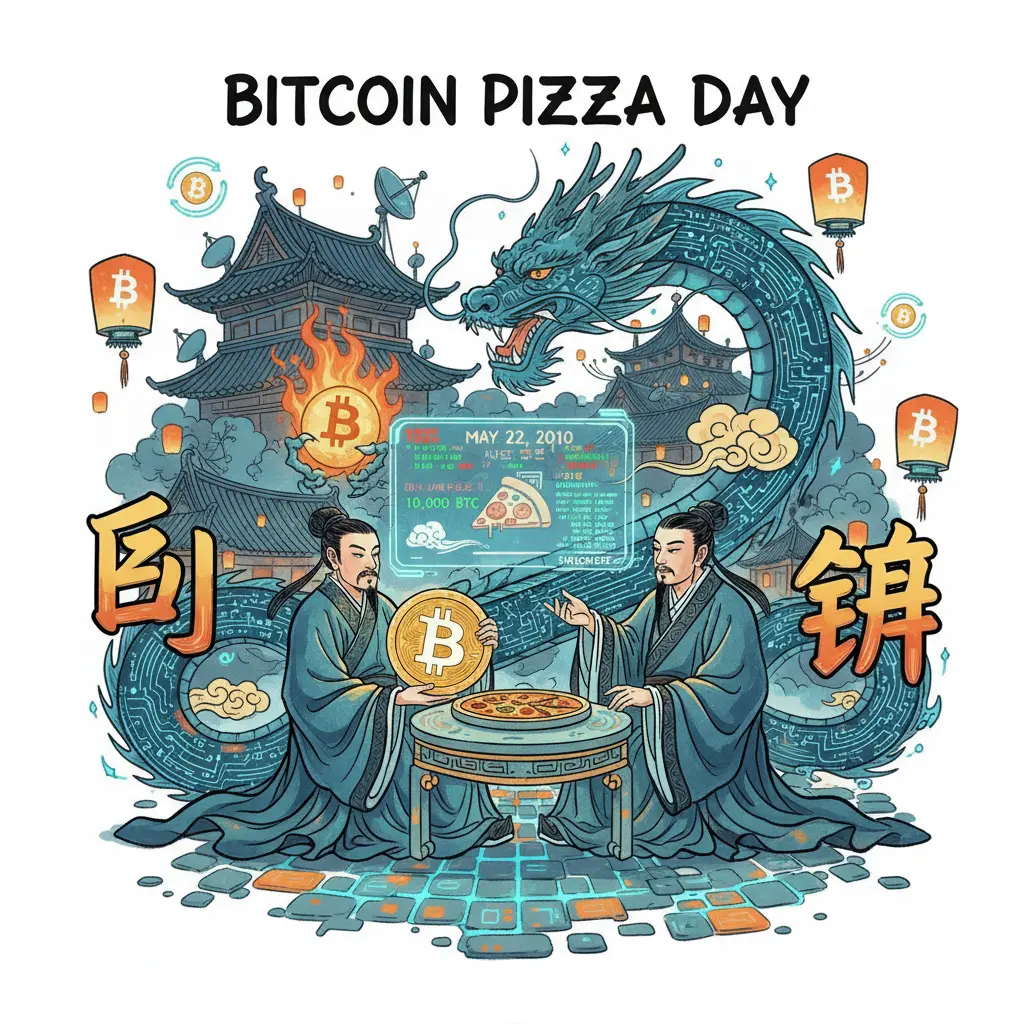
Professional illustration about Bitcoin
Bitcoin Transaction Fees
Bitcoin Transaction Fees: What You Need to Know in 2025
Bitcoin transaction fees have always been a hot topic, especially as adoption grows and the network evolves. In 2025, fees remain a critical factor for users, whether you're sending BTC to a friend, trading on Binance or Coinbase, or leveraging institutional platforms like BlackRock and MicroStrategy. Unlike traditional banking fees, Bitcoin fees are dynamic, fluctuating based on network congestion, block space demand, and the efficiency of solutions like the Lightning Network or Taproot upgrades.
How Bitcoin Fees Work
Every Bitcoin transaction competes for space in the next block, and miners prioritize transactions with higher fees. This auction-like system means fees spike during high demand—like during Bitcoin Pizza Day celebrations or major price rallies. For example, in early 2025, a surge in trading volume on crypto exchanges caused average fees to temporarily double. Tools like Bitcoin Core and wallets with SegWit integration help users optimize costs by reducing data size, while Taproot enhances privacy and efficiency, indirectly lowering fees for complex transactions.
Comparing On-Chain vs. Off-Chain Solutions
On-chain transactions (recorded directly on the blockchain) are secure but can be expensive during peak times. In contrast, off-chain solutions like the Lightning Network—which El Salvador heavily promotes for remittances—allow near-instant, low-cost micropayments. For instance, a Lightning Network tx might cost a fraction of a cent versus $5+ for an on-chain transfer during congestion. However, Lightning requires channel management, making it better for frequent small transfers rather than large, one-time moves.
Real-World Examples and Strategies
- Retail Users: If you're buying Bitcoin Pizza (or anything else), check fee estimators in wallets like Coinbase or Binance before confirming. Batched transactions (grouping multiple payments) can also save costs.
- Institutions: Companies like MicroStrategy, which hold massive BTC reserves, often use advanced technical analysis to time large transactions during low-fee periods.
- Miners and Developers: The 2024 Bitcoin halving reduced block rewards, making fees a larger portion of miner revenue. This incentivizes further scaling innovations, like Taproot adoption or Lightning Network integrations.
The Future of Bitcoin Fees
With Satoshi Nakamoto's original Bitcoin whitepaper envisioning a peer-to-peer electronic cash system, scalability remains key. While fees are unlikely to disappear entirely, layer-2 solutions and protocol upgrades continue to optimize the user experience. Whether you're a trader, HODLer, or business like El Salvador's government, understanding fee dynamics ensures you’re not overpaying for Bitcoin transactions in 2025.
Professional illustration about Blockchain
Bitcoin Privacy Features
Bitcoin is often criticized for being a public ledger, where every transaction is permanently recorded on the blockchain. However, several privacy-enhancing features and techniques have been developed to address these concerns, making Bitcoin more confidential than it initially appears. One of the most significant advancements is Taproot, a 2021 upgrade that improved both privacy and efficiency. Taproot makes complex transactions (like multisig or Lightning Network payments) indistinguishable from regular transactions, enhancing fungibility.
Another layer of privacy comes from the Lightning Network, a second-layer solution that enables off-chain transactions. Since these transactions aren’t immediately recorded on the main blockchain, they offer greater anonymity for small, frequent payments. For example, if you’re buying coffee with BTC via Lightning, the transaction details aren’t broadcasted to the entire network until the channel is closed.
CoinJoin is another popular method for improving Bitcoin privacy. This technique mixes multiple transactions together, making it harder to trace individual payments. Services like Wasabi Wallet and Samourai Wallet have popularized CoinJoin, allowing users to obfuscate their transaction history. Even large institutional players like MicroStrategy or BlackRock could theoretically use these methods to protect their holdings from prying eyes.
However, privacy isn’t just about hiding transactions—it’s also about minimizing metadata exposure. Satoshi Nakamoto’s original whitepaper emphasized pseudonymity, but modern tools like Bitcoin Core with built-in Tor support or privacy-focused wallets take it further. For instance, using a new address for every transaction (a feature supported by most wallets today) prevents address reuse, a common privacy leak.
That said, privacy on Bitcoin is still a work in progress. While Binance and other major exchanges comply with KYC/AML regulations, decentralized exchanges (DEXs) and peer-to-peer (P2P) platforms offer more discretion. Additionally, Bitcoin halving events and mining adjustments indirectly affect privacy by altering network dynamics—higher fees can incentivize more users to adopt Layer 2 solutions like Lightning, which are inherently more private.
Finally, Blockchain analysis firms like Chainalysis have become adept at tracking Bitcoin flows, so users must stay informed. Combining multiple privacy tools—such as Taproot-enabled transactions, CoinJoin, and Lightning—can significantly enhance anonymity. Whether you’re celebrating Bitcoin Pizza Day or executing a high-stakes trade, understanding these features ensures your BTC remains as private as you want it to be.