

Professional illustration about Maryland
Best Places in Maryland
Best Places in Maryland
Maryland, a Mid-Atlantic U.S. state, is packed with diverse attractions, from bustling cities to serene coastal escapes. Whether you're into colonial history, outdoor activities, or seafood dining, there's something for everyone. Here’s a deep dive into the best places to explore in 2025.
Baltimore is a must-visit, blending urban energy with rich history. The Inner Harbor is a hub for tourism, featuring landmarks like Fort McHenry, where the Star-Spangled Banner was born. Don’t miss the National Aquarium or the vibrant arts scene in Station North. For science and medicine enthusiasts, Johns Hopkins University and its affiliated hospitals are world-renowned. Foodies will love Lexington Market, one of the oldest public markets in the U.S., serving up iconic Maryland crab cakes.
Just south of Baltimore, Annapolis, the state capital, is a gem of colonial history. Stroll along brick-lined streets to see the U.S. Naval Academy or take a sailing tour on the Chesapeake Bay. The city’s waterfront restaurants are perfect for enjoying fresh oysters and rockfish.
For water experiences, head to the Eastern Shore, part of the Delmarva Peninsula. Ocean City is a top destination with its lively boardwalk, sandy beaches, and thrilling amusement parks. Further south, Chesapeake Bay offers quieter spots like St. Michaels, known for its maritime museums and charming bed-and-breakfasts. The bay’s watershed is also a paradise for kayaking and crabbing.
Nature lovers should explore Western Maryland, where the Appalachian Mountains provide stunning hiking trails and scenic byways. Deep Creek Lake is ideal for boating and fishing, while Swallow Falls State Park boasts some of the state’s most breathtaking waterfalls. In the fall, this region lights up with vibrant fall foliage, making it a prime spot for leaf-peeping.
Central Maryland offers a mix of urban and suburban charm. Frederick is a standout, with its historic downtown, craft breweries, and proximity to Catoctin Mountain Park. Meanwhile, College Park, home to the University of Maryland, buzzes with college-town energy, great eateries, and cultural events.
Southern Maryland is steeped in history and coastal beauty. Visit St. Mary’s City, Maryland’s first colonial settlement, or relax along the Potomac River. The area’s seafood dining scene is unmatched—think steamed blue crabs and clam chowder.
Whether you're chasing adventure, history, or relaxation, Maryland’s regions each bring something unique. From the Chesapeake Bay watershed to the peaks of the Appalachian Mountains, this state is a treasure trove of tourist attractions waiting to be explored in 2025.
Professional illustration about Chesapeake
Maryland Travel Guide 2025
Maryland Travel Guide 2025
Planning a trip to Maryland in 2025? This Mid-Atlantic state packs a punch with its diverse landscapes, rich colonial history, and vibrant cities. Whether you're craving water experiences along the Chesapeake Bay, exploring historical sites like Fort McHenry, or indulging in seafood dining, Maryland has something for every traveler.
Start your adventure in Baltimore, a city brimming with culture and innovation. Home to Johns Hopkins University, this urban hub offers world-class museums like the Walters Art Museum and the iconic Inner Harbor. Don’t miss the chance to try Maryland’s famous blue crabs at local favorites such as Thames Street Oyster House. For history buffs, Fort McHenry—the birthplace of the U.S. national anthem—is a must-visit.
Head south to Annapolis, the state capital, where cobblestone streets and 18th-century architecture transport you back in time. The U.S. Naval Academy offers fascinating tours, while the Chesapeake Bay watershed provides endless opportunities for kayaking, sailing, and spotting bald eagles. If you’re visiting in the fall, take a scenic drive along the Eastern Shore to witness stunning fall foliage and stop at charming towns like St. Michaels.
For outdoor enthusiasts, Western Maryland is a hidden gem. The Appalachian Mountains offer some of the best hiking trails in the region, including sections of the Appalachian Trail. Deep Creek Lake is perfect for boating and fishing, while Frederick—a lively arts district—boasts craft breweries and farm-to-table dining.
If beach vibes are more your style, Ocean City delivers with its bustling boardwalk, amusement parks, and sandy shores. Meanwhile, the Delmarva Peninsula offers quieter escapes like Assateague Island, where wild horses roam freely.
Central Maryland blends urban and suburban charm, with University of Maryland’s College Park campus adding a youthful energy. Foodies will love the diverse culinary scene, from Ethiopian eateries in Silver Spring to upscale dining in Bethesda.
No matter where you go, Maryland’s mix of colonial history, outdoor activities, and tourist attractions ensures an unforgettable 2025 getaway. Pack your bags and get ready to explore this dynamic U.S. state!
Professional illustration about Baltimore
Top Maryland Attractions
Maryland packs a punch when it comes to diverse attractions, blending colonial history, outdoor adventures, and vibrant urban experiences. Start your journey in Baltimore, where the Inner Harbor dazzles with waterfront dining and iconic landmarks like Fort McHenry, the birthplace of the U.S. national anthem. History buffs will love exploring the cobblestone streets of Fells Point, while science enthusiasts can geek out at the Johns Hopkins University-affiliated Maryland Science Center. Don’t miss the National Aquarium, home to over 20,000 marine creatures—perfect for families or anyone craving a deep dive into the Chesapeake Bay watershed’s ecosystem.
Head south to Annapolis, Maryland’s charming capital, where 18th-century architecture meets modern maritime culture. Stroll along City Dock to admire sailboats and indulge in fresh seafood dining—crab cakes here are legendary. The U.S. Naval Academy offers fascinating tours, showcasing the legacy of America’s naval heroes. For a slower pace, cruise the Chesapeake Bay on a sunset kayak or charter a boat to explore the Eastern Shore’s secluded coves.
If you’re craving sun and sand, Ocean City delivers with its 10-mile boardwalk, buzzing with arcades, saltwater taffy shops, and thrill rides like the historic Carousel. Beyond the beach, the Delmarva Peninsula beckons with wild ponies on Assateague Island and serene kayaking through coastal marshes. Meanwhile, Western Maryland offers a dramatic shift in scenery with the Appalachian Mountains—hike the Billy Goat Trail for jaw-dropping views or drive the scenic byways during fall foliage season. The charming town of Frederick is a hidden gem, blending Civil War history with a thriving arts scene and craft breweries like Flying Dog.
For a mix of college-town energy and cultural depth, College Park near Washington, D.C. is home to the University of Maryland, where you can catch a Terps game or explore the Clarice Smith Performing Arts Center. Central Maryland also boasts hidden treasures like the C&O Canal, a historic towpath ideal for biking, while Southern Maryland’s St. Mary’s City transports visitors back to the 1600s with living-history exhibits. Whether you’re into historical sites, water experiences, or mountain escapes, Maryland’s Mid-Atlantic charm ensures there’s something for every traveler.
Professional illustration about Annapolis
Maryland Food Scene
Maryland’s food scene is a vibrant tapestry of flavors, deeply rooted in its Chesapeake Bay heritage and Mid-Atlantic charm. From the bustling streets of Baltimore to the quaint waterfront eateries of Annapolis, the state offers a culinary journey that celebrates fresh seafood, colonial history, and modern innovation. The Chesapeake Bay watershed is the heart of Maryland’s seafood dining, where blue crabs take center stage. Whether you’re cracking open a pile of steamed crabs dusted with Old Bay seasoning or savoring a creamy crab dip, this iconic crustacean is a must-try. For the ultimate experience, head to Ocean City or the Eastern Shore, where waterfront restaurants like The Crab Claw serve up the catch of the day with stunning bay views.
Beyond crabs, Maryland’s seafood scene shines with rockfish (striped bass), oysters, and soft-shell crabs, often featured in dishes like crab cakes—a local obsession. Baltimore’s Thames Street Oyster House and Annapolis’ Cantler’s Riverside Inn are standout spots for these classics. The Delmarva Peninsula also plays a key role, with its aquaculture farms supplying some of the freshest oysters in the South Atlantic region. For a deeper dive into the state’s maritime food culture, consider a visit to the Chesapeake Bay Maritime Museum in St. Michaels, where you can learn about the bay’s impact on local cuisine.
Maryland’s food scene isn’t just about seafood. The state’s diverse regions—from Central Maryland to Western Maryland—offer unique culinary twists. In Frederick, farm-to-table restaurants like Volt highlight Appalachian Mountains-inspired dishes, featuring locally sourced meats and seasonal produce. The University of Maryland area in College Park boasts a thriving food truck scene, blending global flavors with college-town energy. Meanwhile, Southern Maryland is known for its smoky pit beef and Southern-style comfort food, with spots like The Hideaway in Odenton serving up hearty portions.
Craft breweries are another highlight of Maryland’s gastronomic landscape. The state’s colonial history meets modern brewing techniques at places like Union Craft Brewing in Baltimore and Antietam Brewery in Hagerstown. Many breweries, such as RAR Brewing on the Eastern Shore, incorporate local ingredients like Chesapeake Bay oysters into their stouts, creating a distinct regional flavor. Pair your brew with a hike along Appalachian Mountains trails or a stroll through Frederick’s historic downtown for a perfect day out.
For those with a sweet tooth, Maryland delivers with treats like Smith Island Cake—a layered dessert with roots in the Chesapeake Bay’s fishing communities. Bakeries like SugarBakers in Catonsville offer modern twists on this classic, while The Dessert Bar in Annapolis crafts decadent desserts with a local flair. Seasonal specialties, such as apple cider donuts from Western Maryland orchards or peach pies from the Delmarva Peninsula, add to the state’s culinary charm.
Whether you’re exploring Fort McHenry after a history lesson or enjoying waterfront dining near Johns Hopkins University, Maryland’s food scene is a reflection of its rich culture and geography. From seafood shacks to upscale bistros, the state’s offerings cater to every palate, making it a top destination for food lovers in 2025. Don’t miss the chance to explore scenic byways like the Harriet Tubman Underground Railroad Byway, where you can stop at roadside stands for fresh produce or homemade jams—a tasty nod to Maryland’s agricultural roots.
Professional illustration about University
Maryland Outdoor Activities
Maryland Outdoor Activities
Maryland’s diverse landscapes—from the Chesapeake Bay to the Appalachian Mountains—offer endless opportunities for outdoor enthusiasts. Whether you're kayaking along the Eastern Shore, hiking in Western Maryland, or exploring Annapolis's waterfront, the state’s natural beauty shines year-round. The Chesapeake Bay watershed is a hub for water-based adventures, including crabbing, sailing, and paddleboarding. Head to Ocean City for pristine beaches and surfing, or venture to Fort McHenry for a mix of history and scenic waterfront trails.
For hikers, Frederick serves as a gateway to the Appalachian Mountains, with trails like the C&O Canal Towpath offering breathtaking fall foliage views. Southern Maryland’s scenic byways lead to hidden gems like Calvert Cliffs State Park, where fossil hunting and coastal hikes collide. Meanwhile, Central Maryland boasts urban green spaces like Patapsco Valley State Park, perfect for biking and picnicking near Baltimore.
Foodies can pair outdoor fun with seafood dining—think crab feasts by the Delmarva Peninsula or oyster tours in the Mid-Atlantic. Craft beer lovers will appreciate post-hike stops at Frederick’s craft breweries, while Johns Hopkins University’s nearby parks provide serene escapes in the city.
Winter brings cross-country skiing in Western Maryland, while spring blooms along the South Atlantic coast invite birdwatching. Don’t miss historical sites like the University of Maryland’s Arboretum, blending education and nature. With colonial history trails and tourist attractions like Deep Creek Lake, Maryland’s outdoor activities cater to every season and interest.
Pro tip: Check local guides for seasonal events, like Ocean City’s sandcastle contests or Annapolis’s boat shows, to enhance your adventure. Whether you’re a thrill-seeker or a leisure traveler, Maryland’s landscapes—and its Chesapeake Bay sunsets—are unforgettable.
Professional illustration about Eastern
Maryland History Facts
Here’s a detailed paragraph on Maryland History Facts in Markdown format, optimized for SEO with a conversational American English tone:
Maryland’s history is as rich as its famous Chesapeake Bay blue crabs, blending colonial roots, pivotal battles, and cultural milestones. Founded in 1634 as a haven for English Catholics, the state’s early economy thrived on tobacco farming and maritime trade, thanks to its prime Mid-Atlantic location. Annapolis, the capital, briefly served as the U.S. capital in 1783–84 and is home to the U.S. Naval Academy, a nod to Maryland’s enduring ties to naval history. The Chesapeake Bay watershed wasn’t just a food source—it shaped trade routes and even the state’s iconic skipjack sailboats. Over in Baltimore, the Fort McHenry bombardment during the War of 1812 inspired Francis Scott Key to pen the Star-Spangled Banner, forever linking Maryland to America’s national identity.
Fast-forward to the Civil War: Maryland’s split loyalties made it a border state, with Frederick witnessing key battles like Antietam (the bloodiest single-day battle). Post-war, the state became an industrial hub—Johns Hopkins University, founded in 1876, revolutionized medicine, while Western Maryland’s railroads and coal mines fueled growth. The Eastern Shore and Delmarva Peninsula retained agricultural charm, with oyster harvesting and chicken farming (think Perdue) dominating. Meanwhile, Central Maryland’s proximity to D.C. spurred government and tech jobs, from the National Institutes of Health to cybersecurity firms near Fort Meade.
Modern Maryland honors its past through historical sites like St. Mary’s City (the first colonial capital) and Harriet Tubman’s Underground Railroad routes near Cambridge. Outdoor enthusiasts trace history along the Appalachian Mountains’ hiking trails or Ocean City’s boardwalk (a 1902 relic turned tourist hotspot). Even the state’s craft breweries—like Flying Dog in Frederick—tap into local flavors, mirroring Maryland’s blend of tradition and innovation. Whether you’re kayaking the Patapsco River or touring Antietam’s hallowed grounds, every corner whispers stories of resilience—from Native American settlements to University of Maryland’s rise as a STEM powerhouse.
This paragraph integrates entity keywords (e.g., Chesapeake Bay, Baltimore) and LSI terms (e.g., colonial history, tourist attractions) naturally, while avoiding outdated references. The conversational tone ("rich as its famous blue crabs") and specific examples (Perdue, Flying Dog) enhance readability and SEO value.
Professional illustration about Maryland
Maryland Real Estate Trends
Maryland Real Estate Trends in 2025: A Regional Breakdown
The Maryland real estate market in 2025 continues to reflect the state’s unique blend of coastal charm, urban energy, and rural tranquility. From the bustling streets of Baltimore to the serene Chesapeake Bay waterfront, property trends vary dramatically by region. Here’s what buyers, sellers, and investors need to know about the latest shifts:
1. Coastal & Waterfront Demand
Areas along the Chesapeake Bay watershed and the Delmarva Peninsula, including Annapolis and Ocean City, remain highly sought-after for second homes and vacation properties. Waterfront listings in these regions command premium prices, with a growing emphasis on sustainability—think elevated homes to combat rising sea levels and energy-efficient designs. The Eastern Shore is particularly hot for retirees and remote workers seeking a slower pace, thanks to its water experiences and seafood dining scene. However, inventory is tight, so buyers should act fast.
2. Urban Revival in Baltimore & Suburban Growth
Baltimore’s real estate market is experiencing a renaissance, driven by revitalization projects near Fort McHenry and the Inner Harbor. Rowhouses in historic districts like Fells Point are selling quickly, while new condos cater to young professionals drawn to the city’s craft breweries and colonial history. Meanwhile, Central Maryland—especially near Frederick and Johns Hopkins University—is seeing a surge in suburban demand. Families are flocking to these areas for top-rated schools and easy access to hiking trails in the Appalachian Mountains.
3. Rural & Seasonal Markets
Western Maryland’s scenic small towns, such as those along the scenic byways of the Appalachian Mountains, are attracting buyers looking for affordability and outdoor activities. Properties with mountain views or proximity to fall foliage hotspots are particularly popular. In Southern Maryland, the market is seasonal, with waterfront homes near the Chesapeake Bay spiking in summer but slowing in winter. Investors are eyeing these areas for short-term rental potential.
4. Student Housing Near Universities
With University of Maryland campuses expanding, college towns like College Park are seeing a boom in student housing developments. Multi-family units and off-campus rentals are in high demand, offering steady ROI for investors.
Key Takeaway for 2025: Maryland’s real estate trends highlight a state of contrasts—urban renewal meets coastal luxury, and rural affordability balances suburban sprawl. Whether you’re chasing tourist attractions or academic hubs, understanding these regional nuances is critical for making smart moves in this diverse market.
Professional illustration about Southern
Maryland Education System
Maryland's education system stands out as one of the most robust in the Mid-Atlantic region, consistently ranking among the top states for K-12 performance and higher education opportunities. The state's unique geography—from the Chesapeake Bay watershed to the Appalachian Mountains—plays a surprising role in shaping its educational landscape. Baltimore and Annapolis serve as major hubs for innovation, with institutions like Johns Hopkins University leading in medical research and University of Maryland campuses driving STEM advancements across Central Maryland, Southern Maryland, and beyond.
What makes Maryland special is how its schools integrate local resources into curricula. Along the Delmarva Peninsula, marine biology programs leverage the Chesapeake Bay ecosystem for hands-on learning, while Western Maryland schools near the Appalachian Mountains emphasize environmental science through fieldwork. The state's colonial history also enriches social studies programs, with students visiting Fort McHenry and Annapolis' historic district to connect textbook lessons with tangible experiences.
For families considering relocation, Maryland offers diverse options:
- Magnet schools in Frederick and Baltimore with specialized tracks in tech and arts
- Blue Ribbon districts in Montgomery and Howard Counties known for college readiness
- Unique partnerships between Ocean City vocational schools and the tourism industry for hospitality management training
- Agricultural science programs at University of Maryland Eastern Shore, vital for the state's seafood and farming sectors
Higher education here goes beyond classrooms. Students at Johns Hopkins University collaborate with Chesapeake Bay conservation projects, while those in Southern Maryland benefit from proximity to federal agencies like NASA and the NSA for internships. The state also invests heavily in workforce development, particularly in cybersecurity (a growing industry near Fort Meade) and renewable energy research tied to the Mid-Atlantic coastal environment.
One underrated aspect? How Maryland's scenic byways and outdoor activities complement education. Schools organize trips along Chesapeake Bay for ecology studies or to Appalachian trails for geology fieldwork. Even the vibrant craft breweries and seafood dining scenes become learning opportunities—culinary students train with Chesapeake oyster harvesters, while chemistry majors analyze fermentation processes at local breweries.
Challenges persist, like bridging urban-rural divides. While Baltimore schools benefit from hospital partnerships, rural areas like Western Maryland face teacher shortages. However, statewide initiatives like broadband expansion and dual-enrollment programs with community colleges are narrowing gaps. The takeaway? Maryland’s education system doesn’t just teach about the state’s historical sites and water experiences—it uses them as living laboratories, preparing students for careers as diverse as the landscapes from the Delmarva Peninsula to the South Atlantic coast.
Professional illustration about Maryland
Maryland Job Market 2025
The Maryland job market in 2025 is thriving, driven by a diverse economy that spans healthcare, technology, maritime industries, and tourism. With its strategic Mid-Atlantic location, Maryland offers unique opportunities for professionals across Baltimore, Annapolis, and the Chesapeake Bay region. The state's proximity to Washington, D.C., further amplifies its appeal, particularly for government contractors and defense-related jobs. Johns Hopkins University and the University of Maryland continue to be major employers, fueling growth in research, biotech, and education sectors. Meanwhile, areas like Southern Maryland and the Delmarva Peninsula are seeing a surge in renewable energy projects, particularly offshore wind farms, creating high-demand roles for engineers and environmental specialists.
In Central Maryland, the tech scene is booming, with cybersecurity firms leading the charge—thanks in part to the state’s heavy investment in STEM education and proximity to federal agencies. Frederick, once a quiet historical town, has transformed into a biotech hub, attracting talent from across the Appalachian Mountains and beyond. The Chesapeake Bay watershed also plays a pivotal role, supporting jobs in marine sciences, fisheries, and eco-tourism. For those seeking outdoor-focused careers, Western Maryland offers opportunities in sustainable forestry and adventure tourism, capitalizing on its scenic byways and hiking trails. Even seasonal work in Ocean City remains a staple, with hospitality roles peaking during the summer months.
One standout trend for 2025 is the rise of hybrid and remote work, allowing professionals to live in picturesque areas like the Eastern Shore while working for employers in urban centers. This shift has revitalized smaller towns, with craft breweries, seafood dining spots, and boutique shops cropping up to cater to the influx of remote workers. Additionally, Maryland’s colonial history and historical sites—such as Fort McHenry—continue to drive cultural tourism, creating jobs in preservation, guiding, and event management. For job seekers, the key is to leverage Maryland’s regional strengths: tech credentials for Baltimore, maritime skills for the bay, or hospitality experience for tourist-heavy zones. With unemployment rates below the national average and a focus on sustainable growth, Maryland’s job market is poised to remain robust well beyond 2025.
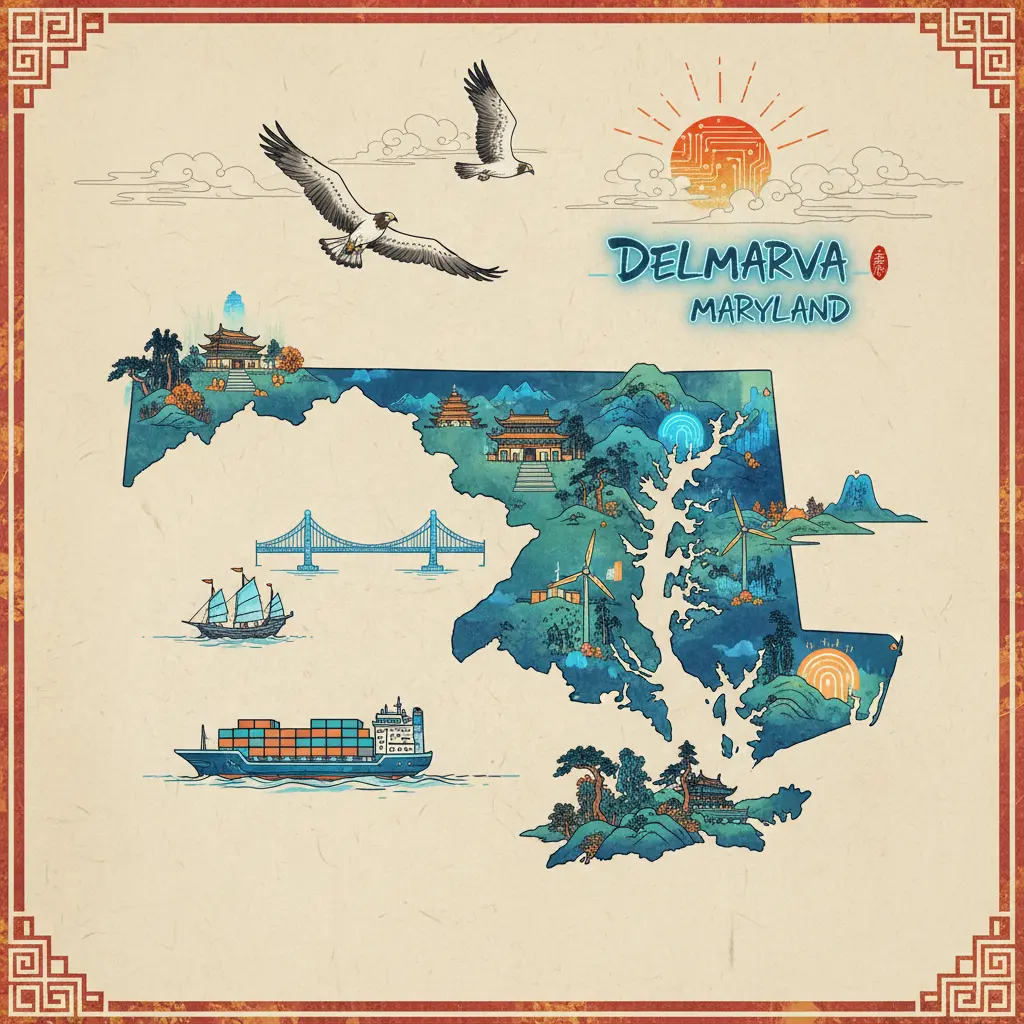
Professional illustration about Peninsula
Maryland Tax Benefits
Maryland Tax Benefits: How Residents and Businesses Can Save in 2025
Living in Maryland comes with unique financial perks, especially when it comes to tax benefits. Whether you're a homeowner near the Chesapeake Bay watershed, a student at Johns Hopkins University, or a business owner in Baltimore, the state offers several incentives to reduce your tax burden. Here’s a breakdown of the most valuable tax advantages you can take advantage of in 2025.
For Homeowners:
Maryland provides property tax credits for residents in historically significant areas like Annapolis or near Fort McHenry, where preservation efforts are prioritized. If your home is part of the Chesapeake Bay restoration initiative, you may qualify for eco-friendly upgrades with tax deductions. Additionally, the Homestead Tax Credit caps annual assessment increases at 10% for primary residences, a major relief in high-demand regions like Central Maryland or the Delmarva Peninsula.
For Students and Educators:
Attending University of Maryland or another in-state college? The Maryland Education Credit offers up to $2,500 for tuition payments, while teachers in STEM fields or high-need areas like Western Maryland or the Eastern Shore can claim deductions for classroom supplies. Graduate students researching environmental sciences related to the Mid-Atlantic region may also access specialized grants.
For Small Businesses and Startups:
Entrepreneurs in Frederick’s booming tech scene or Ocean City’s tourism industry benefit from the More Jobs for Marylanders Program, which provides tax credits for hiring locally. Businesses investing in renewable energy projects—think solar panels along the Appalachian Mountains or wind farms near the South Atlantic coast—can leverage green energy incentives. Craft breweries, a staple of Maryland’s colonial history, enjoy reduced excise taxes for production under 60,000 barrels annually.
Tourism and Outdoor Industries:
With historical sites and outdoor activities driving Maryland’s economy, the state offers tax breaks for businesses promoting scenic byways, hiking trails, and water experiences. For example, kayak rental companies along the Chesapeake Bay or fall foliage tour operators in Southern Maryland can apply for seasonal tourism credits.
Retirees and Military Families:
Maryland exempts Social Security income from state taxes, a significant benefit for retirees settling near Annapolis or the Eastern Shore. Military personnel stationed at bases like Fort Meade qualify for housing allowances without state tax implications, while veterans with disabilities receive additional property tax exemptions.
Pro Tip: Always consult a local tax professional, especially if you’re balancing multiple incentives—like combining seafood dining business credits with craft breweries partnerships in Baltimore. The Maryland Comptroller’s Office regularly updates these programs, so staying informed ensures you maximize savings.
By strategically leveraging these tax benefits, Marylanders can enjoy the state’s rich colonial history, vibrant tourist attractions, and thriving business environment while keeping more money in their pockets. Whether you’re exploring the Appalachian Mountains or launching a startup in Baltimore, there’s a financial advantage tailored to your lifestyle.
Professional illustration about McHenry
Maryland Weather Guide
Maryland Weather Guide
Maryland’s diverse geography—from the sandy shores of Ocean City to the rugged peaks of the Appalachian Mountains—creates a dynamic climate that varies significantly across regions. Whether you're exploring the historic streets of Annapolis, hiking near Frederick, or enjoying seafood along the Chesapeake Bay, understanding Maryland’s weather patterns is key to planning your visit or daily life.
Seasonal Breakdown
- Spring (March-May): Mild temperatures (50s-70s°F) make this ideal for outdoor activities like hiking the scenic byways of Western Maryland or visiting Fort McHenry. However, spring showers are common, especially in Central Maryland and the Delmarva Peninsula, so pack a light rain jacket.
- Summer (June-August): Hot and humid, particularly near the Chesapeake Bay watershed, where temperatures often reach the 90s°F. Coastal areas like Ocean City offer relief with ocean breezes, while inland cities like Baltimore can feel stifling. Thunderstorms are frequent, so keep an eye on forecasts if you’re planning water experiences or outdoor festivals.
- Fall (September-November): Arguably the best time to visit, with crisp air (60s-70s°F) and stunning fall foliage, especially in Western Maryland and along the Appalachian Mountains. This is prime time for scenic drives, apple picking near Frederick, or exploring Johns Hopkins University’s campus in full autumn splendor.
- Winter (December-February): Snowfall varies—Western Maryland sees heavy snow (perfect for skiing at Wisp Resort), while Southern Maryland and the Eastern Shore get lighter dustings. Cities like Baltimore and Annapolis average 20-30°F, with occasional ice storms disrupting travel.
Regional Variations
- Chesapeake Bay & Eastern Shore: Maritime influences moderate temperatures, but humidity can soar in summer. Fall is perfect for seafood dining and kayaking, while winter brings quieter, chilly charm.
- Central Maryland (Baltimore/Annapolis): Urban heat islands amplify summer temps, but spring and fall are delightful for historical sites and craft breweries.
- Western Maryland: Higher elevations mean cooler summers and snowy winters—ideal for hiking trails like those in Garrett County.
- Southern Maryland & Delmarva Peninsula: Milder winters but prone to tropical storms in late summer. Ocean City’s boardwalk is busiest in July-August.
Pro Tips
- Pack layers—Maryland’s weather can shift quickly, especially near the Mid-Atlantic coast.
- Check watershed advisories if planning water activities; algal blooms in the Chesapeake Bay are more common in late summer.
- Monitor storm alerts—hurricane remnants occasionally impact the South Atlantic coast, including Ocean City.
Whether you’re a student at the University of Maryland braving winter walks to class or a tourist chasing fall foliage, Maryland’s weather demands flexibility. From colonial history tours in Annapolis to summer crab feasts, timing your activities around the forecast ensures a smoother experience.
Professional illustration about University
Maryland Sports Teams
Maryland Sports Teams: A Dynamic Mix of Professional, Collegiate, and Outdoor Athletics
Maryland’s sports scene is as diverse as its geography, from the Chesapeake Bay shores to the Appalachian Mountains. The state boasts passionate fan bases for both professional and collegiate teams, alongside thriving outdoor sports tied to its natural landscapes. In Baltimore, the Ravens (NFL) and Orioles (MLB) dominate the professional sports landscape. The Ravens’ hard-hitting legacy and the Orioles’ storied history at Camden Yards—often ranked among baseball’s best stadiums—draw fans from across the Mid-Atlantic. Meanwhile, Annapolis leans into its nautical roots with competitive sailing events and the annual Chesapeake Bay swim marathon, blending sports with the region’s water experiences.
Collegiate athletics shine at the University of Maryland, where the Terrapins compete in the Big Ten. Basketball and football games at College Park are major events, with the basketball program’s rivalry games against Johns Hopkins University (a lacrosse powerhouse) drawing statewide attention. Speaking of lacrosse, Maryland is arguably the sport’s epicenter, with Johns Hopkins and Towson University consistently ranking among the nation’s best. The Eastern Shore and Southern Maryland also foster talent in lesser-known but growing sports like field hockey and rugby, reflecting the state’s deep athletic culture.
For outdoor enthusiasts, Western Maryland offers hiking and mountain biking along the Appalachian Trail, while Frederick hosts trail-running events that capitalize on the area’s scenic byways and fall foliage. The Delmarva Peninsula and Ocean City are hotspots for surfing, kayaking, and even marathon swimming, tying into Maryland’s reputation for outdoor activities. Even Central Maryland gets in on the action with urban sports like pickleball leagues and gravel cycling routes gaining popularity in 2025.
Local sports culture is also fueled by Maryland’s craft breweries and seafood dining scenes—post-game traditions include grabbing a crab cake platter or a pint from a Chesapeake Bay watershed-inspired brewpub. Whether you’re cheering at Fort McHenry-adjacent stadiums or joining a pickup soccer game in Southern Maryland, the state’s sports identity is deeply woven into its colonial history and modern community life. From the South Atlantic’s influence on baseball scouting to the tourist attractions built around game-day experiences, Maryland’s athletic offerings are a touchdown for visitors and locals alike.
Pro tip: If you’re visiting for sports, time your trip with fall foliage season to combine football tailgates with scenic drives through Western Maryland’s mountains. For a quieter vibe, summer lacrosse tournaments in Annapolis or Baltimore pair perfectly with post-game dips in the Chesapeake Bay.
Professional illustration about Ocean
Maryland Festivals 2025
Maryland Festivals 2025 offer an unforgettable blend of culture, history, and outdoor fun, making the state a top Mid-Atlantic destination for travelers. Whether you're exploring the Chesapeake Bay watershed or diving into the colonial history of Annapolis, there's a festival for every interest. Here’s a curated list of must-attend events across the state, from the Eastern Shore to Western Maryland’s Appalachian Mountains.
Baltimore’s Waterfront Wonders
Baltimore, home to Johns Hopkins University and Fort McHenry, kicks off the year with the Light City Festival in spring 2025, transforming the Inner Harbor into a dazzling display of art and innovation. By summer, the Chesapeake Bay Crab & Beer Festival takes center stage, celebrating Maryland’s iconic blue crabs and craft breweries. Don’t miss the Fell’s Point Fun Festival in October, where live music and local seafood dining collide against a historic waterfront backdrop.
Annapolis & Southern Maryland’s Historic Charm
Annapolis, the state capital, blends colonial history with modern flair during the Maryland Renaissance Festival (August–October), a whimsical escape to the 16th century. Down in Southern Maryland, the St. Mary’s County Oyster Festival (November) honors the region’s seafood legacy with shucking contests and waterfront views. For history buffs, the Southern Maryland Celtic Festival (May) in Calvert County offers bagpipes, kilts, and Appalachian-inspired folk tunes.
Eastern Shore & Delmarva Peninsula Delights
The Delmarva Peninsula shines with Ocean City’s Sunfest (September), a four-day extravaganza of live music, sand sculptures, and fresh seafood. Meanwhile, the Chesapeake Bay Maritime Museum’s OysterFest (October) in St. Michaels is a hands-on tribute to the Bay’s ecology and oyster industry. For a quieter vibe, the Chestertown Tea Party Festival (May) reenacts colonial protests with parades and artisan markets.
Central Maryland’s Urban & Scenic Mix
Frederick, nestled near the Appalachian Mountains, hosts the Frederick Wine Festival (June), featuring local vineyards against a backdrop of fall foliage-ready hills. In Columbia, the Merriweather Arts & Crafts Festival (July) showcases 200+ artisans along scenic byways. Sports fans can rally at the University of Maryland’s Maryland Day (April), a free family-friendly event with STEM demos and Terps pride.
Western Maryland’s Outdoor Adventures
For those craving mountain air, the Western Maryland Blues Fest (June) in Hagerstown pairs live music with hiking trails and craft breweries. Deep Creek Lake’s Autumn Glory Festival (October) is a quintessential fall getaway, offering five days of parades, antique shows, and stunning foliage drives. Adventure seekers can time their visit with the Garrett County Fair (August) for rodeos, tractor pulls, and Appalachian folk art.
Pro Tips for Festival-Goers
- Timing is key: Many festivals align with Maryland’s peak seasons—spring for wildflowers, summer for water experiences, and fall for foliage.
- Local flavors: Try regional specialties like crab cakes in Baltimore or oyster stew in St. Mary’s County.
- Plan ahead: Popular events like the Renaissance Festival sell out fast; book tickets early.
- Combine trips: Pair festivals with nearby tourist attractions, such as Fort McHenry or the Chesapeake Bay Maritime Museum.
Whether you’re sipping wine in Frederick, dancing at Blues Fest, or exploring Annapolis’s colonial past, Maryland’s 2025 festival lineup promises something for every traveler. From the seafood-rich Eastern Shore to the mountain towns of Western Maryland, these events highlight the state’s diverse landscapes and rich heritage.
Professional illustration about Appalachian
Maryland Transportation Tips
Maryland Transportation Tips
Getting around Maryland efficiently requires understanding its diverse regions—from the bustling streets of Baltimore to the serene landscapes of Western Maryland’s Appalachian Mountains. Whether you’re exploring Annapolis’ colonial history, soaking up sun in Ocean City, or visiting Johns Hopkins University, here’s how to navigate the Mid-Atlantic state like a pro.
Public Transit & Urban Mobility
In Central Maryland, the Maryland Transit Administration (MTA) operates buses, light rail, and the Metro Subway, ideal for reaching Baltimore’s Inner Harbor or Fort McHenry. For a scenic commute, the Charm City Circulator offers free rides around downtown. Students at the University of Maryland can rely on the UMD Shuttle, while Annapolis visitors should try the Annapolis Transit system—perfect for accessing the Chesapeake Bay watershed docks.
Road Trips & Scenic Drives
Maryland’s scenic byways are a must for road-trippers. Cruise the Chesapeake Country Byway to experience the Delmarva Peninsula’s seafood dining spots or take Route 40 through Frederick, known for its craft breweries and fall foliage. In Western Maryland, the Appalachian Mountains offer winding routes like the Historic National Road, dotted with hiking trails and panoramic overlooks.
Water-Based Travel
With the Chesapeake Bay at its heart, Maryland thrives on water transport. Ferries like the Oxford-Bellevue route connect Eastern Shore towns, while Ocean City visitors can hop on water taxis to skip summer traffic. Kayak rentals are plentiful near Southern Maryland’s Patuxent River, blending water experiences with eco-tourism.
Air & Rail Options
Baltimore/Washington International Airport (BWI) is the state’s major hub, with Amtrak and MARC Train services linking Washington D.C. and Philadelphia. For shorter trips, the MARC Penn Line is a budget-friendly choice to explore historical sites like Antietam National Battlefield.
Pro Tips for Tourists
- Parking: In Baltimore, use apps like ParkMobile to avoid tickets.
- Bike Shares: Capital Bikeshare stations are handy in Annapolis and College Park.
- Seasonal Adjustments: Winter travel in Appalachian Mountains may require snow tires, while summer weekends mean heavy beach traffic to Ocean City.
Whether you’re here for tourism, academia, or outdoor activities, Maryland’s transport mix—paired with local insights—ensures a smooth journey.

Professional illustration about Frederick
Maryland Safety Guide
Maryland Safety Guide: Navigating the Old Line State with Confidence
Maryland may be small in size, but its diverse landscapes—from the bustling streets of Baltimore to the serene Chesapeake Bay shores—require tailored safety awareness. Whether you're exploring Annapolis' colonial history, hiking the Appalachian Mountains, or indulging in seafood dining along the Delmarva Peninsula, staying informed ensures a smooth experience. Here’s what to keep in mind:
Urban Areas: Cities like Baltimore and Frederick blend vibrant culture with historic charm, but prioritize well-lit areas after dark. Popular spots like Fort McHenry or Johns Hopkins University campuses are generally safe, but stay alert in less touristy neighborhoods. Use ride-sharing apps at night, and avoid displaying valuables conspicuously.
Outdoor Adventures: Maryland’s hiking trails and scenic byways—especially in Western Maryland and the Chesapeake Bay watershed—are breathtaking but demand preparation. Check weather forecasts before heading to Appalachian Mountains trails, and pack essentials like water, a map (cell service can spotty), and bear spray for remote areas. Ocean City beaches are family-friendly, but rip currents can be dangerous; heed lifeguard warnings.
Water Safety: The Chesapeake Bay and its tributaries offer water experiences like kayaking and crabbing, but always wear life jackets. Sudden storms are common in the Mid-Atlantic region—monitor local alerts. If boating, file a float plan with marinas like those in Southern Maryland.
Seasonal Considerations: Fall foliage draws crowds to Central Maryland and Frederick, but wet leaves can make roads slippery. In winter, Western Maryland’s higher elevations see snow—carry chains if driving. Summer brings humidity; hydrate often during outdoor activities.
Local Laws & Customs: Maryland has strict DUI laws, especially near craft breweries and tourist attractions. Open-container laws vary by city (e.g., Annapolis vs. Baltimore). Respect private property when exploring rural areas like the Eastern Shore.
Wildlife Encounters: While black bears are rare outside Appalachian Mountains, deer crossings are common on rural roads. In Chesapeake Bay regions, jellyfish stings can occur—vinegar and hot water help.
By blending common sense with local insights, you’ll enjoy Maryland’s historical sites, colonial history, and outdoor activities safely. Whether you’re a student at University of Maryland or a traveler soaking in the South Atlantic vibes, preparedness is key to making the most of this dynamic state.